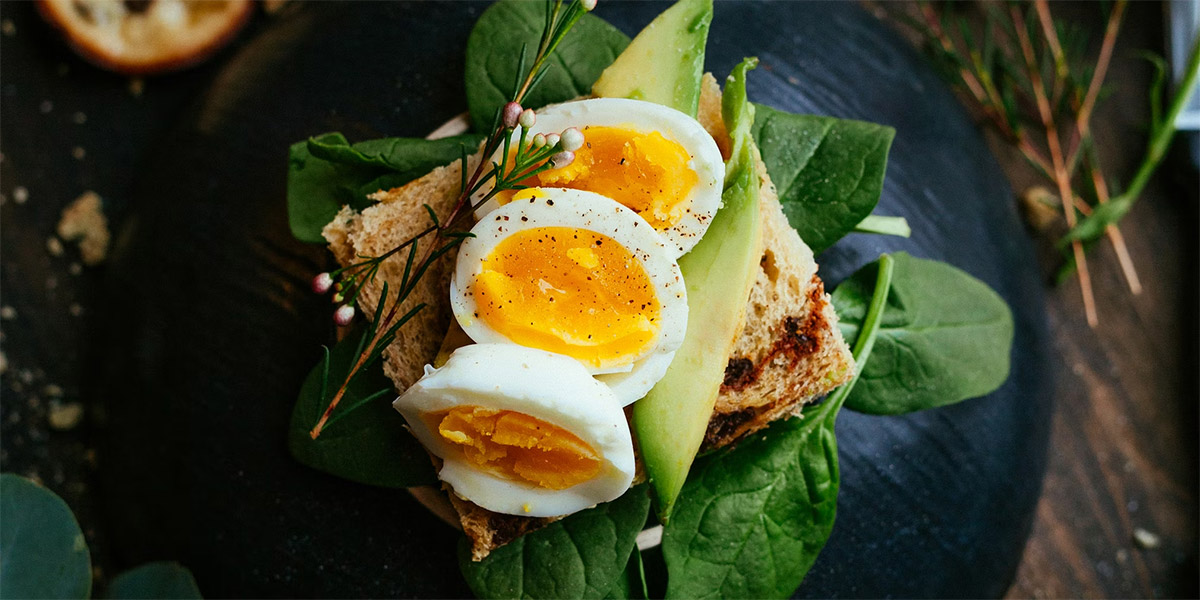
You already know eggs are a nutritional powerhouse. All nine essential amino acids, healthy fats, B vitamins, the lot. For many people, they are a daily staple.
But here is the bit most people do not think about.
Not all eggs are created equal.
Across the UK, millions of hens, both caged and even “free range”, are kept in conditions that are far from idyllic. In large-scale systems, birds are often packed tightly together, routinely given antibiotics, and fed genetically modified feed just to keep production ticking over.
And that “free range” label? It sounds wholesome. Rolling fields. Happy hens. But legally, it can simply mean there is a small pop-hole door at the end of a huge shed housing thousands of birds. Many hens never even find it, let alone step outside.
When animals are crammed together like that, stress levels rise. Birds fight. Feather pecking becomes common. To manage it, beak trimming is used, removing the sensitive tip of the beak to reduce injury from pecking.
Not exactly the countryside fantasy printed on the carton.
So what is the upgrade?
Organic eggs.
Organic standards are stricter. Birds must have genuine outdoor access. Certified organic feed is used. Routine antibiotic use is not permitted. Beak trimming is not allowed. The focus shifts from squeezing out maximum output to creating healthier living conditions.
And healthier birds produce better food.
Reducing routine antibiotic use and synthetic inputs also supports more sustainable farming practices, helping cut down problematic agricultural runoff into rivers and water systems.
No system is perfect. There is still progress to be made. But choosing organic is a simple vote for higher welfare, cleaner inputs, and a more respectful relationship with the animals that feed you.
Better life for the chicken. Better egg for you.
It really is that simple.
- Better for chickens: Higher welfare standards, real outdoor access, no routine antibiotics or beak trimming
- Healthier egg for you: Certified organic feed with no genetically modified inputs
- More sustainable farming: Fewer synthetic inputs and reduced environmental runoff
We follow a vegetarian-style diet and choose to include organic eggs. That feels like the right balance for us. But we completely understand that many people prefer to go fully vegan or remove animal products from their lives altogether. That is a powerful choice, and one that does an enormous amount of good for animals across the world.
Ultimately, this is about eating more consciously. Questioning where food comes from. Thinking about impact. Moving forward with compassion rather than judgment. Real change happens when we share ideas with understanding, not aggression.